Ages 4.5-7
Spark Studio
Creativity and Independence
The goal of early child education should be to activate a child's own natural desire to learn.
In Spark, our youngest learners are on their own Hero's Journey, exploring the world through creative expression, unhindered by tight schedules and rigid systems. We believe learning happens best when it comes from hands-on exploration and individual experimentation. We allow room for mistakes and messes, believing they are not just part of the process; rather, that failure, followed by recovery, is a vital feature of effective learning. Basic math, reading, and writing are taught using educational materials designed to inspire through engagement. Socratic discussions pose tough, age-appropriate questions that invite learners to think critically, evaluating all sides of a topic, learning to form and state their own opinion and engage one another respectfully.
Where Spark comes from
Inspiration
Montessori
Maria Montessori
Children are eager for knowledge and should be allowed to follow their interests. The focus is on the whole child: physical, social and emotional, not just cognitive. Students grow to become self directed and responsible through accountability to fellow learners and the ownership of the learning environment.
Hands-on materials are easily accessible to students and furniture is sized for young learners to inspire ownership over their own learning. The pace of educational growth and development is determined by the individual's readiness. Classrooms span multiple ages with large blocks of time for uninterrupted learning.
Reggio Emilia
Loris Malaguzzi
Children are competent and capable with a natural drive to learn. They express themselves through what Malaguzzi called the 100 Languages, only to have their expression and wonder limited by traditional education and the confines of culture.
The learning environment is set up as a teacher, providing the learner with natural and open-ended materials for creative expression, discovery, and collaboration with other learners. Commonly found materials include: loose parts bins, wooden blocks, cardboard, clay, art supplies, games, sensory materials, and books.
A day in Spark
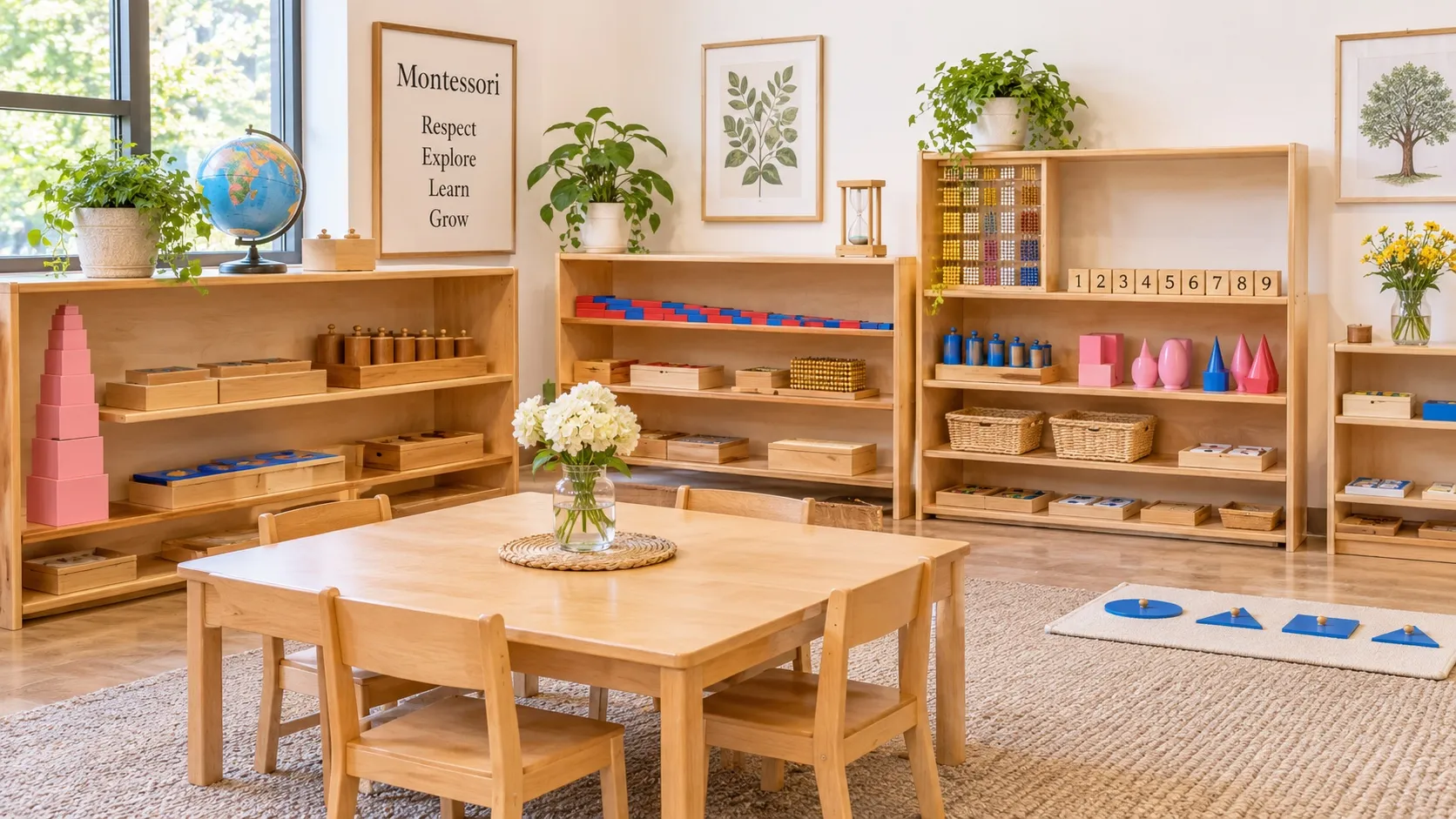
Love of Learning
Learners are given freedom, within limits, to navigate the studio and engage with play-based learning materials at their own pace.
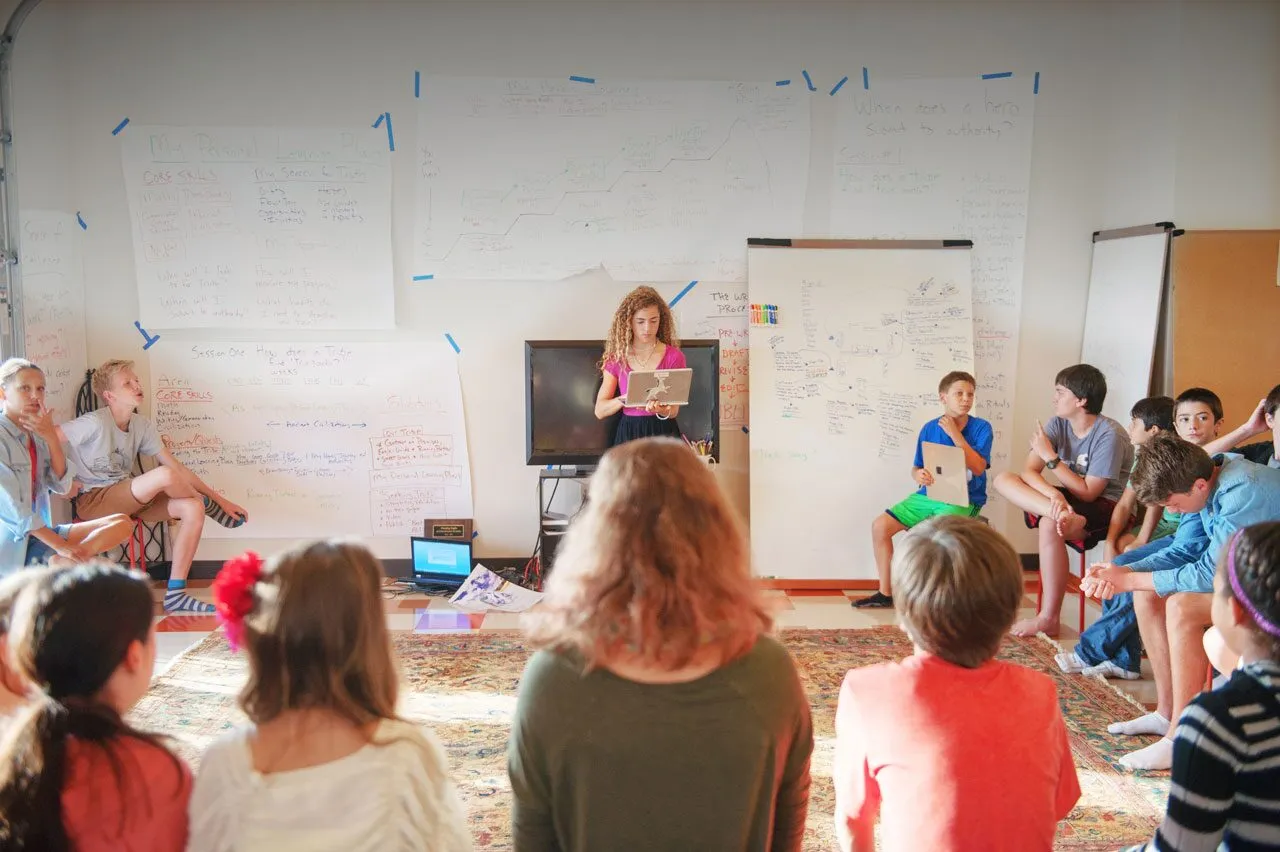
Socratic Discussions
Guided Socratic discussions where learners listen, think and engage each other to work through big questions of fairness, friendship and navigating their world.
Studio Maintenance
Even the youngest Heroes at Acton learn responsibility and ownership by caring for their studio space during daily cleanup and organization.
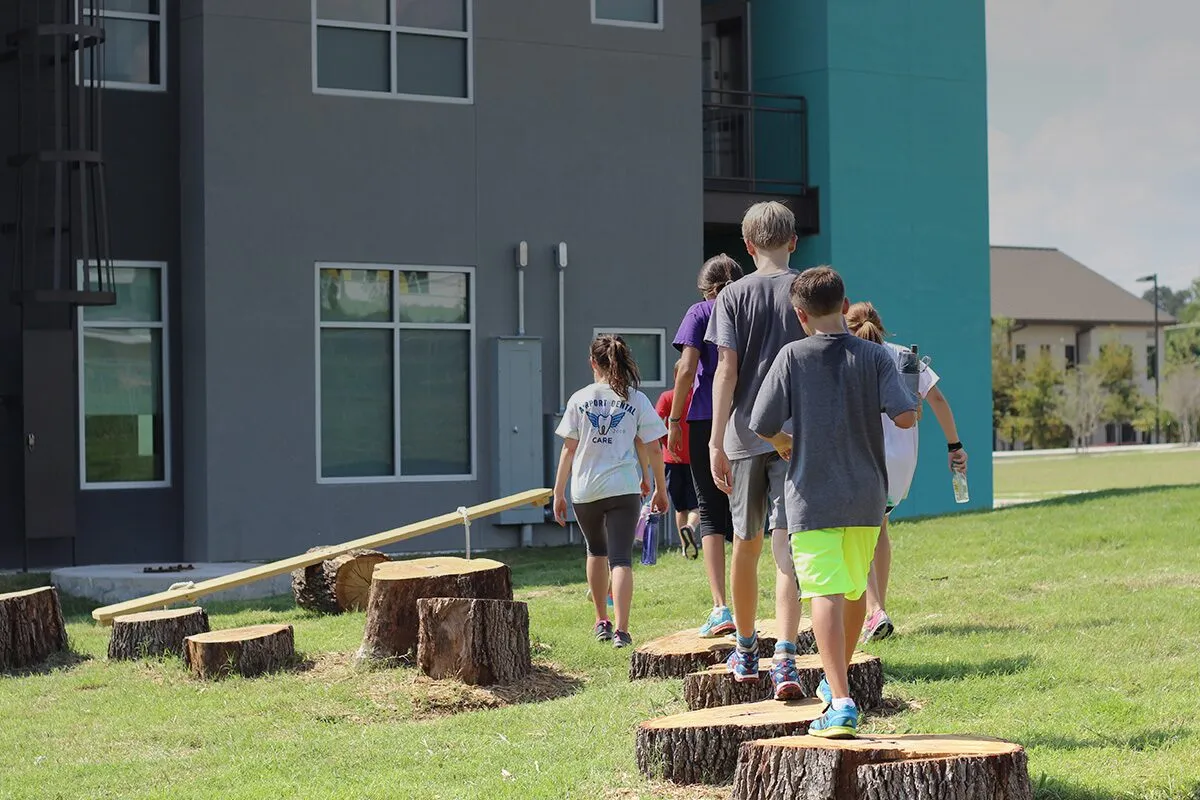
Outdoor Time
We value outdoor time for play and exercise. Movement first thing in the day gives the mind room for creative expression.
"Daily unstructured outdoor play is not a break from learning. It is the learning."
Moving Up to Elementary
Progression to the Elementary Studio is based on individual demonstration of basic reading, writing and math combined with emotional maturity. This is not defined strictly by age. Promoting a learner who is ready for ES mid-year is a possibility based on available capacity. Mid-year new learner enrollment is available.